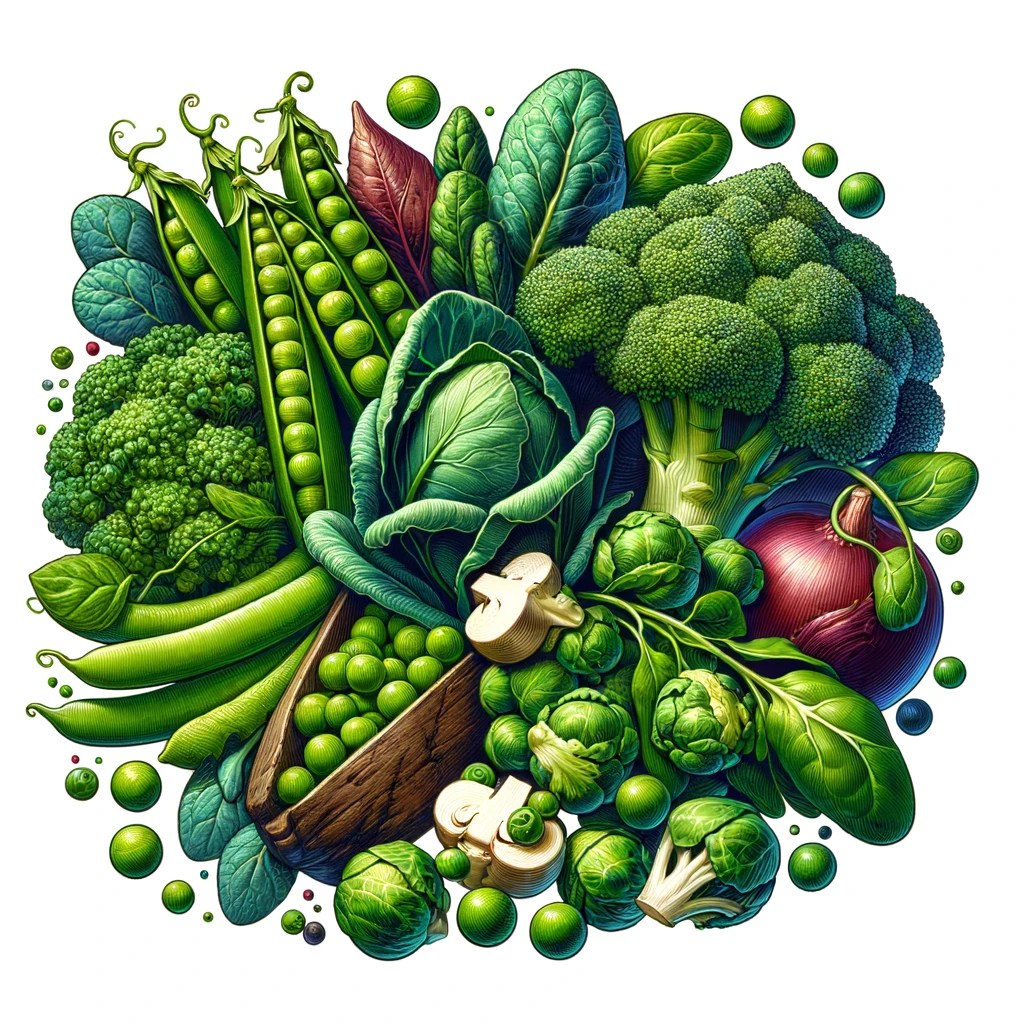
In the quest for health and fitness, many turn to protein drinks as a convenient source of nutrition. However, nature offers a powerful and often overlooked alternative: vegetables. This blog explores how incorporating vegetables into your diet can not only meet your protein needs but also provide a wealth of additional health benefits, making them a compelling natural alternative to protein drinks.
Understanding Protein in Vegetables
Protein is crucial for the body’s growth, repair, and overall health. While protein drinks are marketed for their high protein content, many vegetables also contain significant amounts of protein. For instance, green peas, spinach, kale, broccoli, and Brussels sprouts are just a few examples of vegetables with a notable protein content. Incorporating a variety of these vegetables into your diet can help you meet your daily protein requirements naturally.
The Benefits of Choosing Vegetables Over Protein Drinks
1. Nutrient Density: Vegetables are packed with vitamins, minerals, antioxidants, and fiber, offering a broader nutritional profile than protein drinks. These nutrients support various bodily functions, including immune health, digestion, and prevention of chronic diseases.
2. Natural and Whole: Vegetables are whole foods with minimal processing. This contrasts with many protein drinks, which can contain additives, artificial sweeteners, and preservatives. Choosing vegetables ensures you’re consuming food in its most natural and beneficial form.
3. Weight Management: High in fiber and water content, vegetables can help you feel full longer, aiding in weight management. Protein drinks, especially those with added sugars, can contribute to weight gain if not consumed mindfully.
4. Environmental Impact: Opting for vegetables over commercially produced protein drinks can reduce your environmental footprint. Vegetables require less processing and packaging, contributing to lower carbon emissions and less waste.
5. Cost-Effective: Incorporating vegetables into your diet can be more cost-effective in the long run. Many protein drinks come with a high price tag, whereas vegetables, especially when bought in season or locally, can be more affordable.
How to Incorporate More Vegetables for Protein
1. Mix and Match: Create colorful and varied meals by including a mix of vegetables. Each vegetable offers a unique set of nutrients, including different types of proteins.
2. Embrace Plant-Based Meals: Try dedicating a few meals each week to be entirely plant-based. Dishes like stir-fries, salads, and soups can be excellent ways to incorporate a variety of vegetables.
3. Snack Smart: Choose vegetables as snacks. Carrot sticks, cucumber slices, and cherry tomatoes can be satisfying snacks that offer protein and other essential nutrients.
4. Get Creative: Explore recipes that use vegetables in unexpected ways, such as cauliflower rice, zucchini noodles, or spinach in smoothies. This not only increases your vegetable intake but also introduces you to new and enjoyable ways to consume them.
5. Combine with Other Protein Sources: To ensure you’re getting enough protein, combine vegetables with other plant-based protein sources like lentils, beans, quinoa, and nuts. This approach allows you to enjoy a diverse and protein-rich diet.
Conclusion
While protein drinks offer a quick and easy way to consume protein, vegetables provide a natural, nutrient-dense alternative. By choosing vegetables, you benefit from a broad spectrum of vitamins, minerals, and other health-promoting compounds, along with the environmental and economic advantages. Embracing vegetables as a primary source of protein encourages a healthier, more sustainable, and more holistic approach to nutrition. Remember, the path to health doesn’t have to rely on processed supplements; sometimes, the most powerful solutions are grown right from the earth.

 InsightEdge Analytics
Leave a comment